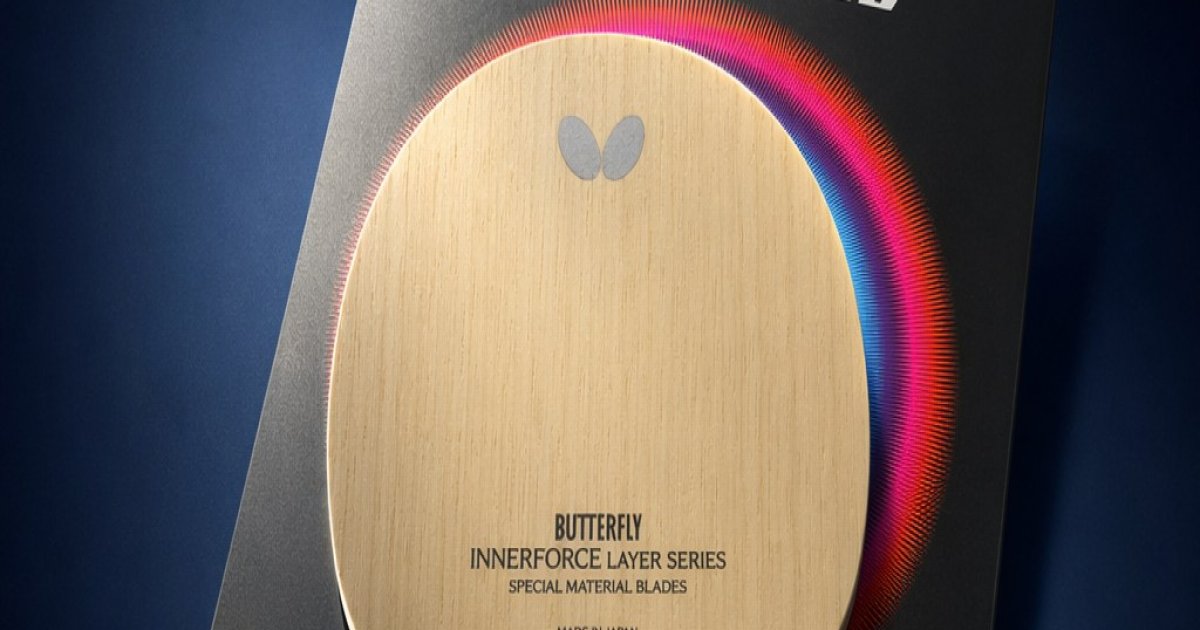
A shop owner in San Fernando keeps exactly one wall dedicated entirely to Butterfly equipment, separate from every other brand crowding the rest of his small store, not because he was paid to build a shrine but because customers specifically ask for that wall by name more often than any other section combined. Butterfly table tennis equipment earns that wall, and the reasons are worth understanding before you spend.
Brand loyalty in this sport runs deeper than most casual observers realize, and Butterfly sits at the center of that loyalty more consistently than almost any competitor.
Butterfly built its reputation through decades of consistent product quality, extensive sponsorship of elite competitive players, and a broad product range covering every skill level from genuine beginners to professional tournament equipment, making it one of the most trusted and widely used equipment brands across the global competitive table tennis community.
Understanding why a brand earns this level of sustained trust reveals more about equipment evaluation than any single product review ever could.
What’s the historical foundation behind Butterfly’s reputation?
Decades of consistent manufacturing quality and a long-standing commitment to sponsoring elite competitive players has built a reputation that compounds over time: each generation of players who competed successfully using Butterfly equipment reinforces the brand’s credibility for the next generation of buyers making their own equipment decisions.
Does Butterfly’s product range actually serve every skill level, or mainly advanced players?
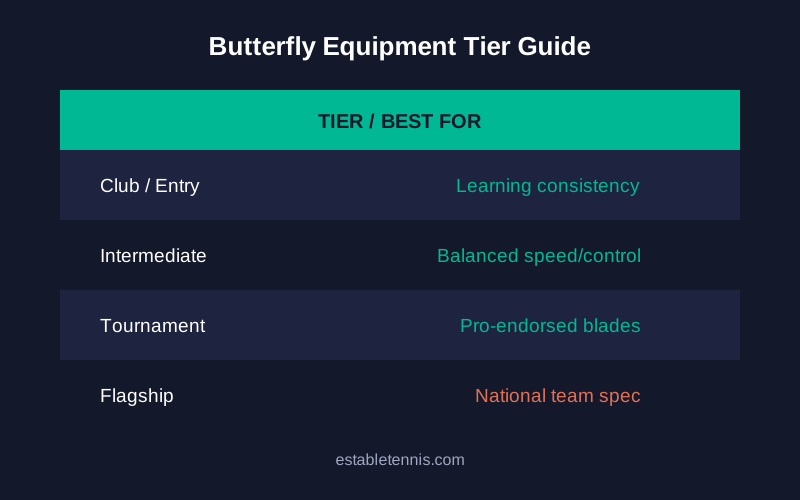
Genuinely both, spanning forgiving, control-oriented options suitable for beginners, covered in principle in our guide on choosing rubber for beginners, through to aggressive, tournament-grade equipment used by elite competitive players.
This breadth means the brand name alone doesn’t guarantee a specific product is right for any given buyer: the same fit principles covered throughout this site’s equipment guides still apply within Butterfly’s own catalog.
How does Butterfly’s sponsorship of elite players actually affect product development?
Direct feedback loops between competing professionals and product development teams let the brand refine equipment based on real, elite-level performance demands, which then trickles down into the broader consumer product line.
This connection between top-level competitive feedback and consumer products is part of why Butterfly’s tournament-grade equipment carries such strong credibility among serious competitive players specifically.
Should a beginner specifically seek out Butterfly equipment, or does the brand matter less at that stage?
Brand matters less than actual specs at the beginner stage, covered throughout our equipment guides: a forgiving, moderate Butterfly product serves a beginner well, but so does a comparably specified product from another reputable manufacturer.
Brand loyalty tends to develop more meaningfully once a player has enough experience to have genuine preferences about specific product lines within a brand’s catalog.
How does Butterfly compare to other major brands in terms of overall market position?
Butterfly holds a position among the most recognized and widely used brands globally, alongside other major manufacturers covered in our companion guides on Stiga and Joola, each carrying distinct reputations and product philosophies despite serving an overlapping competitive market.
Does buying Butterfly equipment guarantee better performance than a lesser-known brand?
No, covered in depth in our piece on best table tennis paddle. Brand reputation reflects consistent quality and trust built over time, but genuine fit to an individual player’s skill level, style, and physical characteristics still determines actual performance more than brand name alone ever could.
What’s the actual value a strong brand reputation provides to a buyer, if not a performance guarantee?
Consistency and predictability: a well-established brand’s products tend to perform reliably within their stated specifications, reducing the risk of the kind of quality inconsistency sometimes found in less established manufacturers.
This consistency is genuinely valuable, even though it doesn’t override the more important consideration of matching specific specs to an individual player’s actual needs.
How does Butterfly’s rubber technology specifically factor into its reputation?
Rubber development, covered across our guides on rubber hardness and choosing rubber for beginners, represents one of the brand’s most consistently praised product categories, with specific rubber lines earning strong reputations among competitive players for reliable spin generation and consistent feel across production batches.
Does Butterfly offer meaningfully different product lines for offensive versus defensive playing styles?
Yes, spanning both ends of the spectrum covered in our guide on offensive vs defensive style: aggressive, fast blades and rubber for attacking players alongside more control-oriented options and specialized pimples or long pips products for defensive specialists, reflecting the brand’s effort to serve the full range of competitive playing styles rather than favoring one tactical approach.
How should a buyer navigate Butterfly’s extensive catalog without feeling overwhelmed by choice?
Start from the same fit-first principle covered throughout this site (skill level, playing style, physical characteristics) rather than browsing the catalog by brand prestige alone.
A buyer clear on their own specific needs can navigate to the appropriate Butterfly product line efficiently, rather than getting lost comparing dozens of options without a clear personal starting point.
What’s the actual price range across Butterfly’s product catalog?
Spanning from accessible entry-level options suitable for genuine beginners through to premium, tournament-grade equipment priced considerably higher, reflecting materials, construction complexity, and the brand’s investment in elite-level product development.
This range means the brand itself doesn’t dictate a fixed price point: buyers can find appropriately specified Butterfly products across a meaningful budget range.
Does Butterfly’s reputation hold up consistently across different countries and regional markets?
Generally yes, given the brand’s long-standing international presence and sponsorship of elite players across multiple competitive regions, though specific product availability and regional pricing can vary.
The underlying reputation for consistent quality tends to travel well across markets, unlike some brands with more regionally concentrated recognition.
How does Butterfly’s blade construction technology fit into the broader carbon versus all-wood conversation?
The brand offers products across the full spectrum covered in our guides on carbon fiber table tennis blade and is a carbon blade good for beginners, from genuinely forgiving all-wood options through to advanced carbon and ALC constructions built for players with established, consistent technique.
This range means a developing player can start with an appropriately forgiving Butterfly blade and later transition to a more advanced construction within the same brand as their game matures.
What’s the actual relationship between Butterfly’s sponsored professional players and the equipment sold to consumers?
While professional players often use highly customized, sometimes unreleased equipment configurations, the brand’s consumer product lines frequently share meaningful design DNA with what’s actually used at the elite level, giving consumers genuine access to technology informed by top competitive feedback, even if not the exact identical configuration a specific sponsored player competes with.
Does Butterfly’s reputation extend equally to accessories beyond blades and rubber, like balls and tables?
The brand’s core reputation centers most strongly on blades and rubber, where its competitive history runs deepest, though it does offer a broader range of accessories and equipment.
Buyers should evaluate each product category somewhat independently rather than assuming uniform excellence across every single product Butterfly manufactures, since reputation strength isn’t perfectly even across an entire catalog this broad.
How should a club or coach think about recommending Butterfly specifically to developing players?
As one reputable option among several, rather than the only legitimate choice: a coach recommending equipment should prioritize matching a specific player’s actual needs, covered throughout this site’s equipment guides, over defaulting to a single brand purely based on its overall market reputation.
The best coaches typically maintain familiarity with multiple brands’ product lines specifically to make genuinely personalized recommendations.
Does Butterfly’s pricing reflect genuine premium quality, or partly brand prestige?
Likely some combination of both, which is common across most well-established brands in any product category.
Genuine material and construction quality does factor into premium pricing, but brand recognition and reputation also carry real market value independent of any single product’s specific technical merits, making pure price-to-quality comparisons across brands genuinely difficult to make with full precision.
What’s a practical way for a buyer to verify whether a specific Butterfly product actually suits their game, beyond trusting the brand name?
The same verification approach covered throughout this site, checking actual specs against personal skill level and style, seeking reviews from players with similar characteristics, and demoing equipment where possible rather than relying purely on brand reputation as a substitute for genuine fit assessment.
A trusted brand name is a reasonable starting point for research, not a final answer that skips the fit-assessment process entirely.
How has Butterfly’s market position evolved as newer manufacturers have entered the competitive equipment space?
The brand has maintained its position through continued product innovation and sustained elite sponsorship relationships, even as the overall equipment market has grown more competitive and crowded with newer entrants.
This resilience reflects genuine, ongoing investment in the brand’s core reputation drivers rather than resting purely on historical goodwill built decades ago.
Does Butterfly’s reputation matter differently for a casual recreational buyer versus a serious competitive player?
Considerably more to the competitive player, who’s more likely to have genuine, informed opinions about specific product lines within the brand’s catalog based on real competitive experience.
A casual recreational buyer benefits from the brand’s general reliability reputation without necessarily needing the granular product-line knowledge a serious competitor accumulates over years of play.
According to the ITTF equipment regulations, every legally sold Butterfly product, like any other approved brand, must meet the same baseline construction and material standards, meaning the brand’s reputation was never built on any regulatory advantage over competitors: it was built entirely on consistent execution within rules every manufacturer plays under equally.
That shop owner’s wall keeps growing, one customer request at a time, and he’s never once had to justify its size to anyone walking through the door.
The demand simply exists, built from years of players trusting a name that’s earned that trust match by match, generation by generation.
Trust like that doesn’t transfer automatically to every single product a brand ever releases, though, which is exactly why the fit-first principle running through this entire site still applies even when shopping from a name as established as this one.
A trusted brand narrows the field of reasonable options considerably. It doesn’t replace the work of actually matching a specific product to a specific player.
Buyers who skip that final step, assuming the name alone settles the question, sometimes end up disappointed by an otherwise well-made product that simply wasn’t the right specification for their particular game.
The brand did its job. The fit assessment still needed to happen separately, the same way it would with any manufacturer’s catalog.
Decades of consistent quality earn a brand exactly the kind of dedicated wall that shop in San Fernando keeps building, one satisfied returning customer at a time, without a single marketing dollar spent convincing anyone locally that the space was warranted.
Word of mouth, sustained across years rather than a single successful advertising campaign, is a considerably harder reputation to fake than most buyers realize when they see a shelf full of confident branding.
That’s ultimately the most useful signal a long-established brand actually offers a buyer: not a guarantee that any single product will fit perfectly, but reasonable confidence that the underlying quality and consistency claims have already been tested by thousands of players over a long enough stretch of time to catch any serious, systemic problems before they ever reached a casual buyer’s hands.
Walk into that store yourself, and you’ll notice the wall isn’t presented as a shrine at all. It’s simply organized the way any well-run shop organizes its most consistently requested section, functional rather than reverent, which is somehow more convincing than any deliberate display ever could be.
Ask the shop owner himself why the wall exists, and he’ll probably shrug and point at the sales figures rather than deliver some rehearsed brand pitch.
That shrug, more than any marketing copy, is the most honest endorsement a brand this established could ever hope to receive from someone with no financial stake in saying it.
That’s ultimately the test worth applying to any brand’s reputation before trusting it with a real purchase: does the endorsement come from someone with genuinely nothing to gain from saying it, or from a marketing budget with everything to gain. This particular wall passes that test without needing to try.
Simple as that.
Visit that store yourself if you’re ever in San Fernando. The wall speaks for itself, no sales pitch required.
Reputations built this way, one honest transaction at a time, tend to outlast whatever competitor eventually shows up with a bigger advertising budget and no comparable history behind it.
That’s the actual story behind every dedicated shelf, wall, or aisle you’ve ever noticed in a specialty store anywhere: not marketing, but years of customers voting quietly with their wallets.
Worth remembering next time a brand’s reputation feels like it might just be clever marketing rather than earned trust.
Some reputations really are that simple to verify, if you know which small, unglamorous signal to actually look for.
End of story.
Next time you’re evaluating any brand, ask who’s actually recommending it, and why.
The answer usually reveals more than the product page ever will.
Worth the extra question, every single time.
Truly.
A dedicated wall in a small shop rarely lies about which brand actually earned its space there.
This one didn’t need to.
Trust that earns itself rarely does.
Simple as that.
Fair enough.
Good luck out there.
You’ll know it when you see it.
Quick Recap: Butterfly Table Tennis
Butterfly’s reputation was built from decades of consistent quality, elite sponsorship, and a genuinely broad product range serving every skill level and playing style.
That dedicated wall in a small San Fernando shop reflects real, earned trust, not simply successful marketing, though buyers should still match specific specs to their own game rather than assuming brand name alone guarantees the right fit.
Frequently Asked Questions
Is Butterfly a good brand for beginners?
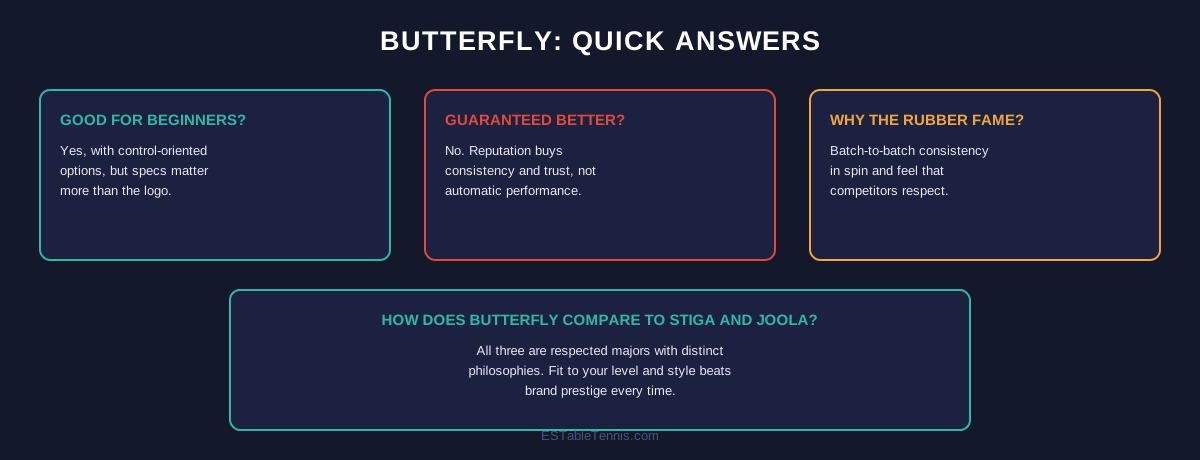
Yes, they offer forgiving, control-oriented options suitable for beginners, though matching actual specs to skill level matters more than the brand name alone.
Does Butterfly equipment guarantee better performance than lesser-known brands?
No. Brand reputation reflects consistent quality and trust, but genuine fit to a player’s skill level and style still determines actual performance.
What makes Butterfly’s rubber technology specifically well-regarded?
Consistent spin generation and reliable feel across production batches, earning strong reputations among competitive players specifically for that consistency.
How does Butterfly compare to Stiga and Joola?
All three are major, widely respected brands with distinct product philosophies, each serving an overlapping competitive market with different specific strengths.
Does Butterfly make equipment for defensive playing styles?
Yes, including control-oriented options and specialized pimples or long pips products, serving the full range of competitive playing styles.
That shop owner never had to argue for the wall’s existence. Customers built it for him, one specific request at a time, over years of walking in and asking for it by name.
Curious whether a specific Butterfly setup or another brand actually fits your game? PingPath gives you a fitted recommendation in under three minutes.
Leave a Reply